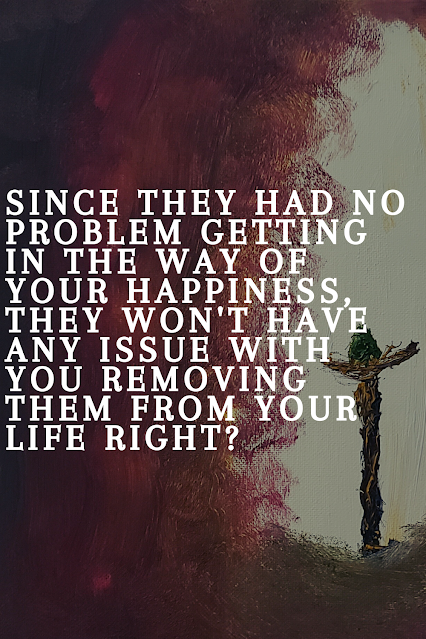
Autumn Reflections And Quotes

Thursday, September 21, 2023


Autumn Reflections offers a curated collection of quotes that capture the essence of fall's introspective beauty.


 Autumn Reflections is more than a seasonal celebration; it's a salute to the profound introspection that the fall inspires in all of us. As the world around us changes, with leaves changing from vivid greens to a beautiful tapestry of amber, gold, and scarlet, so do our inner worlds. Each rustling leaf and chilly breeze seems to invite us to gaze inward, to think on the year that has passed and the memories we have created.

 The thing is, Autumn's beauty lies not just in its visual majesty but also in its capacity to evoke thoughtfulness in us. The world slows down and we are left alone with our thoughts as a result of the shorter days and longer nights. Clarity, insight, and a greater appreciation for life's fleeting moments are things tend to discover during these peaceful moments, beneath the canopy of blazing reds and oranges.

 These ideas have a safe haven in Autumn Reflections. It's a place where the intense beauty of autumn meets the breadth of human experience. Like a leaf falling to the ground, every reflection holds a tale, an emotion, and a memory. While some reflections may make you nostalgic for autumns gone by and transport you there, other reflections may encourage optimism, ambitions, and aspirations for the future.

 Autumn reminds us of the ebb and flow of time, pushing us to treasure each moment we can grasp, any memory we can treasure, and contemplation on a deeper level. As the trees shed their leaves in preparation for a new season, we are definitely being urged to let go of old burdens and habits while looking forward to the change that is about to take place.


The Truth About Love: You Don't Need to Earn It

Sunday, September 3, 2023


The Truth About Love: You Don't Need to Earn It

Love is a complex emotion that often leaves us feeling vulnerable and exposed. It can be tempting to try and earn love, to prove ourselves worthy of the affection and attention of others. But the truth is, love cannot be earned. Love is freely given and received, and it is not something that can be purchased, bartered, or traded. You don't need to earn love because it is already within you, waiting to be expressed and shared with others.

One of the biggest misconceptions about love is that we have to do something to deserve it. We believe that if we work hard enough, are kind enough, or attractive enough, we will be loved in return. But this simply isn't true. Love is not a reward for good behavior, nor is it a prize to be won. It is an inherent part of who we are as human beings.

The reason you don't need to earn love is that it is already a part of your being. Love is not something you have to go out and find, it is something that you already possess. You are born with the capacity for love, and it is up to you to express that love in the world around you. Whether it is through acts of kindness, generosity, or simply being present for others, you have the power to share love with those around you.

The problem with trying to earn love is that it often leads to disappointment and frustration. When we place our self-worth on the approval of others, we are setting ourselves up for failure. No matter how hard we try, we cannot control how others feel about us. We may do everything "right," and still not receive the love and affection we desire. This can lead to feelings of inadequacy and unworthiness, which only further perpetuate the cycle of trying to earn love.

Another reason you don't need to earn love is that love is not a limited resource. We often think of love as a finite commodity, as if there is only so much love to go around. But this is simply not true. Love is infinite and abundant, and there is always more love to be shared. When we approach love from a scarcity mindset, we create unnecessary competition and tension in our relationships. We become jealous of others who receive more love than we do, or resentful when we feel we are not receiving enough. But when we recognize that love is limitless, we can approach our relationships with a sense of abundance and generosity.

The idea that we need to earn love is also rooted in a cultural narrative that values productivity and achievement over connection and community. We are taught from a young age that our worth is tied to our accomplishments, and that we must constantly strive to be better, faster, and stronger. This mindset can carry over into our relationships, causing us to view love as another goal to achieve. But love is not a goal, it is a journey. It is not something we can earn by ticking off a list of achievements, but rather something we experience through the connections we make with others.

So if you find yourself caught in the cycle of trying to earn love, remember that you don't need to. Love is already within you, waiting to be expressed and shared with others. You are worthy of love simply because you exist, and there is nothing you can do to change that. Instead of trying to earn love, focus on cultivating a sense of abundance and generosity in your relationships. Recognize that love is infinite, and that there is always more to give and receive.


 Love is not a prize to be won, Nor a reward for deeds well done. It's not a game, it's not a trade, It's freely given, never paid.

We don't need to earn love's embrace, It's already within us, in our heart's space. We are worthy, just as we are, And love is infinite, like a shining star.

So let's embrace this truth today, And let love guide us on our way. For in the end, it's love that lasts, And all else fades away, like a forgotten past.


Love is not a prize to be won, Nor a reward for deeds well done. It's not a game, it's not a trade, It's freely given, never paid.


Indulge in the Luxury of Self-Compassion

Saturday, September 2, 2023


Indulge in the Luxury of Self-Compassion


Indulge in the Luxury of Self-Compassion: The Key to Emotional Well-being

Embracing self-compassion is not just a necessity for mental and emotional well-being, it's also a LUXURIOUS act of self-care. Far too often, people fall into the trap of MISTAKENLY associating self-compassion with weakness, when in reality, it requires immense STRENGTH and COURAGE. By recognizing and accepting our personal limitations and treating ourselves with the same kindness and understanding we would extend to a close friend, we can indulge in the LUXURY of reducing stress, increasing motivation, and building resilience. 

So next time you find yourself being too hard on yourself, INDULGE in the LUXURY of self-compassion and offer yourself the care you so richly DESERVE. 


Embracing self-compassion is not just a necessity for mental and emotional well-being, it's also a LUXURIOUS act of self-care.


quotes to contemplate.

Monday, August 14, 2023


quotes to contemplate.


Some quotes about life to contemplate.


Some quotes in life just require one to just sit back and contemplate for awhile.


Your happiness matters.


emotional intelligence

Friday, August 11, 2023


The world of human contact is a maze of feelings, motives, and deeds. Among these, manipulation stands out as a complex phenomenon. It is a sophisticated art, frequently hidden behind the appearance of friendship, love, or business connections. One must first understand its nature before developing the abilities to wriggle out of this maze and safeguard themselves from exploitation.

Fundamentally, manipulation involves influencing another person's actions or emotions for one's own ends, frequently without that person's knowledge. It is a complex web of psychological strategies that can be as helpful as persuading a friend to choose a specific restaurant or as harmful as forcing someone into engaging in risky behavior. By softly pulling the strings of the ignorant person's emotions and thoughts, the manipulator guides their actions like a puppeteer.

The first step in protecting yourself from manipulation's impacts is to understand how it works. By employing strategies like gaslighting, playing the victim, or guilt-tripping, manipulators frequently prey on emotional weaknesses. They might also use flattery or pretended sympathy to win over people's trust and sway their decisions. Recognizing these strategies is comparable to illuminating the puppeteer's strings and making them less effective.

Understanding by itself, however, is insufficient to prevent manipulation. It is essential to develop assertiveness and emotional intelligence. The ability to recognize and control one's own and others' emotions is known as emotional intelligence. It enables one to distinguish between sincere and fabricated emotional reactions. Conversely, assertiveness gives one the freedom to speak honestly about one's thoughts and feelings and to stick to one's convictions, making it more difficult for manipulators to influence one's behavior.

  Furthermore, it is crucial to promote sound limits in interpersonal interactions. Boundaries serve as protective boundaries by outlining what conduct is permitted and prohibited. They aid in preserving a balance of power and stop manipulators from going too far. Boundaries must be established and upheld with courage and consistency, but they are a powerful defense against manipulation.

Last but not least, it's critical to keep in mind that manipulation does not represent the manipulated but rather the manipulator. It is a result of their control-obsession and fears. Therefore, succumbing to manipulation shouldn't be a cause for self-blame but rather a reminder to reevaluate connections and fortify defenses.

In conclusion, recognizing the nature of manipulation, developing emotional intelligence and assertiveness, and creating healthy boundaries are the keys to preventing it. A never-ending cycle of education and growth, it is a journey of self-discovery and betterment. Also keep in mind that you are not only a puppet in the complex web of human connections, but also a puppeteer in your own right, in charge of your own thoughts and feelings.


Overcoming Your Own Mind

Friday, May 19, 2023


Overcoming Your Own Mind: A Guide to Self-Mastery During Turbulent Times

Overcoming Your Own Mind: A Guide to Self-Mastery During Turbulent Times

Although our mind is a tremendously powerful weapon and an extraordinarily intricate gift, it can also be a formidable foe. Our own beliefs, anxieties, and insecurities frequently prevent us from realizing our greatest potential. But what if we could discover how to overcome the obstacles that our own imaginations present? Here are just a few actions you might consider taking to master and control your mental environment.

Step 1: Awareness is KEY – Understanding Your Mind is The First Critical Battle.

The first step to overcoming your own mind is to understand it. Our minds are complex webs of thoughts, emotions, and ideas. Some of these we are consciously aware of, while others lie beneath the surface of our conscious perception, influencing our behavior in subtle ways. Therefore, it is crucial to become a keen observer of your own thoughts and feelings to better master them.

What can be done? Try spending a few minutes each day sitting quietly and observing your thoughts without judgment or attachment. This practice, known as mindfulness, can provide significant insight into the patterns of your thoughts and help you identify unhelpful or destructive thought processes.

Step 2: Challenge Negative Thoughts – Fight As If Your Life is On the Line.

The next step is to use every resource at your disposal to combat the unfavorable ideas that can impede your growth once you have developed awareness and are beginning to grasp how to nurture it. Cognitive distortions are unreal, unfavorable ways of thinking that affect many people and can cause anxiety, despair, and low self-esteem.

Asking yourself if there is actual evidence to back these beliefs or if you are simply assuming the worst in life will help you challenge these distortions with cultivated wisdom. You'll discover that your worries are frequently baseless or overblown. To help change your thinking, replace these negative notions with more optimistic, realistic ones.

Step 3: Cultivate Positive Emotions – Once a Seed is Planted, NURTURE IT.

Positive feelings not only make us feel good, but they also directly improve both our physical and mental health. They can help us feel less stressed, boost our defenses, and become more resilient.

Engage in activities that make you happy in an effort to create pleasant emotions. If you don't already have anything enjoyable, it's time to look for it. Writing down three things each day for which you are grateful can have a significant impact on your general happiness and well-being.

Step 4: Embrace Uncertainty – Control Over Everything is IMPOSSIBLE!

Our fear of uncertainty is one of the biggest obstacles we face in life when trying to go beyond our own thinking. Our minds are essentially hardwired to anticipate and control our surroundings, and when we are unable to do so, we frequently feel stressed and anxious. In addition, the world around us is constantly being affected by a wide range of factors.

Realize that while there are certain aspects of life that we cannot control, we do have a choice in how we respond to ambiguity. Dreading the truth of the issue won't make it go away, so try to view uncertainty as an opportunity for learning and development instead. Recognize that everything in life is changing and that you don't need to know all the answers.

Step 5: Practice Self-Compassion – Your Sense of Self Must Be Stronger Than the World's Image of You.

And finally, always remember to cultivate self-compassion. We frequently pass harsh judgment on ourselves, which, among other things, can cause feelings of inadequacy and failure. Instead, be kind to yourself and understand yourself as you would a friend or an animal.

Try to view mistakes and setbacks as learning opportunities rather than personal failures when you encounter them. Keep in mind that everyone makes mistakes and has difficulties occasionally; it's just part of being human.

You must be genuinely committed to walking a lifelong journey of self-mastery; it is not a one-time event. The secret is to be kind to yourself, rejoice in minor accomplishments, and keep in mind that even the smallest advancements constitute progress. You can learn to master your mind and reach your full potential by practicing mindfulness, battling unfavorable thoughts, nurturing positive emotions, embracing ambiguity, and engaging in self-compassion. Remember that you have the ability to conquer your thinking. Trust your abilities, enjoy the process of self-discovery, and walk with confidence!


Breaking Free: 10 Signs It's Time to Let Go of a Toxic Relationship

Saturday, February 25, 2023


Walk your path!

Letting go of someone you care about is never easy, but sometimes it's necessary for your own well-being and happiness. Relationships can be complex and challenging, and there are many reasons why it might be time to let someone go.

If you find that you can't trust the person, whether it's because of past behavior or something they're currently doing, it's a sign that there are fundamental issues in the relationship. Trust is the foundation of any healthy relationship, and without it, it's hard to build a connection worth having in the first place.

Different values and life goals can also create tension and conflict in a relationship. It's important to be on the same page about what you want in life and what you believe in. If you find that you're fundamentally incompatible in these areas, it might be time to move on.

Unresolved conflicts can also be a sign that it's time to let someone go. If you've been struggling to resolve issues with the person and there's no clear path forward, it's important to recognize that it might not be worth continuing to try.

Emotional or physical abuse, infidelity, addiction, and neglect are all signs that the person isn't treating you with the respect and care you deserve. If the person is consistently disrespectful, dishonest, or unwilling to put in effort to maintain the relationship, it's a sign that they're not invested in the relationship or your well-being. It's important to prioritize your safety and well-being by ending the relationship and seeking support from friends, family, or professionals.

Jealousy and controlling behavior are also signs of an unhealthy dynamic that can be harmful to your emotional and mental health. It's important to set boundaries and communicate your needs, but if the person isn't willing to respect them, it's time to let them go.

Finally, sometimes two people just aren't meant to be together. It's important to recognize when it's time to accept this and move on. Incompatibility and an inability to compromise can lead to constant conflict and frustration in the relationship.

In conclusion, letting go of someone can be a difficult decision, but sometimes it's necessary for your own well-being and happiness. It's important to recognize the signs that it's time to let go, such as lack of trust, different values and life goals, unresolved conflicts, disrespect, infidelity, neglect, addiction, jealousy, dishonesty, and inability to compromise. By prioritizing your own needs and well-being, you can move on from a toxic or unhealthy relationship and find happiness and fulfillment in the future.

15 Reasons Why It's Time to Let Them Go

  1. Lack of trust: When you can't trust someone, it's hard to maintain a healthy relationship. If you find yourself constantly questioning their actions or motives, it may be time to let them go.

  2. Different values: If your values and beliefs are significantly different from the person you're with, it can create a lot of tension and conflict in the relationship.

  3. Unresolved conflicts: If you've been struggling to resolve issues with the person, and there's no clear path forward, it may be time to move on.

  4. Different life goals: If your life goals don't align, it can be difficult to build a future together. It's important to be on the same page about what you want in life.

  5. Lack of communication: If you're unable to communicate effectively with the person, it can lead to misunderstandings and frustration.

  6. Disrespect: If the person consistently disrespects you or your boundaries, it's a sign that they don't value you or your relationship.

  7. Infidelity: If the person has cheated on you, it can be difficult to regain trust and move forward in the relationship.

  8. Lack of effort: If the person isn't willing to put in effort to maintain the relationship, it's a sign that they're not invested in the future.

  9. Incompatibility: Sometimes, two people just aren't meant to be together. It's important to recognize when it's time to accept this and move on.

  10. Emotional or physical abuse: If the person is emotionally or physically abusive, it's important to prioritize your safety and well-being by ending the relationship.

  11. Neglect: If the person consistently neglects your needs, it's a sign that they're not interested in meeting your needs or making you happy.

  12. Jealousy: If the person is overly jealous and controlling, it can be a sign of insecurity and an unhealthy dynamic.

  13. Addiction: If the person has a substance abuse problem, it can be difficult to maintain a healthy relationship. Addiction can cause a lot of stress and strain on the relationship.

  14. Dishonesty: If the person is consistently dishonest, it's hard to build a foundation of trust and intimacy in the relationship.

  15. Inability to compromise: If the person isn't willing to compromise and work together to find solutions, it can lead to constant conflict and frustration.