People Who Value Listening to Understand Without Judgment

Tuesday, September 9, 2025



The Importance of Surrounding Yourself with People Who Value Listening to Understand Without Judgment

The Importance of Surrounding Yourself with People Who Value Listening to Understand Without Judgment

Surrounding yourself with people who value listening to understand without judgment can have a significant impact on your personal growth, emotional well-being, and overall quality of life. When you have people around you who take the time to listen and understand your perspective without judging you, you feel seen, heard, and validated. This creates a sense of trust, openness, and support, which can lead to more meaningful and fulfilling relationships.

One of the main reasons why having people around you who value listening to understand without judgment is so important is that it creates a safe and supportive environment. When you know that the people around you are willing to listen to your thoughts, feelings, and experiences without judgment, you are more likely to open up and share your authentic self. This can help you build deeper connections with others and foster a greater sense of community.

Having people around you who value listening to understand without judgment can also help you develop your own listening skills. When you see others modeling this behavior, it can inspire you to do the same. As you practice listening to others without judgment, you may find that you are more empathetic, compassionate, and understanding in your interactions with others. This can lead to more productive and meaningful conversations and ultimately strengthen your relationships with others.

Additionally, having people around you who value listening to understand without judgment can help you navigate difficult or challenging situations. When you encounter conflict or disagreement with others, it can be easy to become defensive or dismissive. However, when you have people around you who are skilled at listening to understand without judgment, they can help facilitate more productive and respectful conversations. This can lead to greater understanding and ultimately resolve conflicts more effectively.

Moreover, having people around you who value listening to understand without judgment can also help you cultivate greater self-awareness. When you know that others are willing to listen to your thoughts and feelings without judgment, you may be more inclined to explore your own thoughts and feelings more deeply. This can lead to greater self-awareness and understanding, which can ultimately lead to personal growth and development.

Furthermore, having people around you who value listening to understand without judgment can help you feel more supported and less alone. In today's world, it can be easy to feel isolated or disconnected from others, especially in the midst of difficult or challenging situations. However, when you have people around you who are willing to listen to your perspective without judgment, you may feel more validated, understood, and supported. This can help you feel less alone and more connected to others, even in the face of adversity.

Lastly, having people around you who value listening to understand without judgment can help promote a greater sense of empathy and compassion in the world. When we take the time to listen to others without judgment, we are demonstrating a willingness to understand and appreciate their perspective, even if it differs from our own. This can help create a sense of unity and understanding in our interactions with others, and ultimately lead to a more compassionate and empathetic world.

In conclusion, having people around you who value listening to understand without judgment is essential for building meaningful and fulfilling relationships, developing your own listening skills, navigating difficult situations, cultivating greater self-awareness, feeling more supported and less alone, and promoting a greater sense of empathy and compassion in the world. So, if you don't already have people like this in your life, seek them out! Whether it's through a community group, social club, or simply connecting with people who share similar values, having people around you who value listening to understand without judgment can help you create a more fulfilling and rewarding life.


Quotes just in time for 2025

Tuesday, July 8, 2025


Quotes just in time for 2025

Quotes just in time for 2025

 Here Is To Trying To Make It Through The Week! The Month! The Year! 


Life so often puts us on channels we didn’t pick and schedules we didn’t find. Overwhelming often feels as if one were falling behind some invisible schedule; but the truth is, the pace has never been yours to command. The world turns at its rhythm, heedless of our desire for control. Tranquility does not come from trying to slow the motion but to move with it, to find stillness in the flow.

Unity.

Wednesday, June 11, 2025


I'm just going to keep this short. We need more unity in these horrible times. 


peace

peace

Unity for all people no matter the year. 

Quotes to Brighten Your Path to Self-Love

Saturday, February 3, 2024


Quotes to Brighten Your Path to Self-Love


Quotes to Brighten Your Path to Self-Love

When spring comes around, it shows us how life always goes in circles, giving us fresh starts over and over again. It’s a time to let go of the past hurt and get ready for the new growth and change!


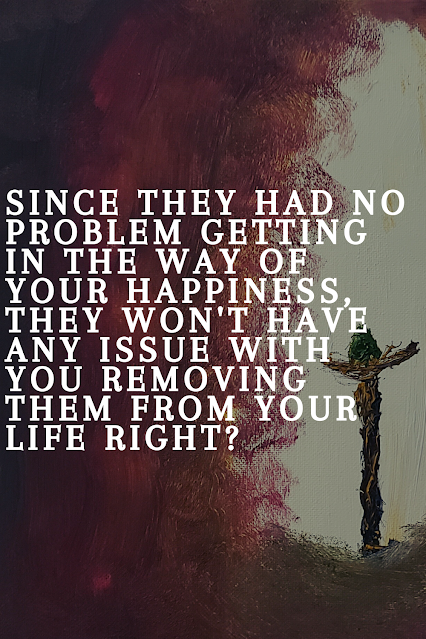
You don't have time to be distracted by those on the sidelines who want to keep you distracted from the path you are meant to walk!  
 

The advantage belongs to you!


Your Happiness, Your Rules.
 

Don't Be Fooled.


A Journey of Healing
 
 
Keep the Storm Out!


Know Thyself.


Mindset Shift
 

Care with Caution.


You Can't Control What Others See.
 

Don't Let the Past Trap You.

Autumn Reflections And Quotes

Thursday, September 21, 2023


Autumn Reflections offers a curated collection of quotes that capture the essence of fall's introspective beauty.


 Autumn Reflections is more than a seasonal celebration; it's a salute to the profound introspection that the fall inspires in all of us. As the world around us changes, with leaves changing from vivid greens to a beautiful tapestry of amber, gold, and scarlet, so do our inner worlds. Each rustling leaf and chilly breeze seems to invite us to gaze inward, to think on the year that has passed and the memories we have created.

 The thing is, Autumn's beauty lies not just in its visual majesty but also in its capacity to evoke thoughtfulness in us. The world slows down and we are left alone with our thoughts as a result of the shorter days and longer nights. Clarity, insight, and a greater appreciation for life's fleeting moments are things tend to discover during these peaceful moments, beneath the canopy of blazing reds and oranges.

 These ideas have a safe haven in Autumn Reflections. It's a place where the intense beauty of autumn meets the breadth of human experience. Like a leaf falling to the ground, every reflection holds a tale, an emotion, and a memory. While some reflections may make you nostalgic for autumns gone by and transport you there, other reflections may encourage optimism, ambitions, and aspirations for the future.

 Autumn reminds us of the ebb and flow of time, pushing us to treasure each moment we can grasp, any memory we can treasure, and contemplation on a deeper level. As the trees shed their leaves in preparation for a new season, we are definitely being urged to let go of old burdens and habits while looking forward to the change that is about to take place.


The Truth About Love: You Don't Need to Earn It

Sunday, September 3, 2023


The Truth About Love: You Don't Need to Earn It

Love is a complex emotion that often leaves us feeling vulnerable and exposed. It can be tempting to try and earn love, to prove ourselves worthy of the affection and attention of others. But the truth is, love cannot be earned. Love is freely given and received, and it is not something that can be purchased, bartered, or traded. You don't need to earn love because it is already within you, waiting to be expressed and shared with others.

One of the biggest misconceptions about love is that we have to do something to deserve it. We believe that if we work hard enough, are kind enough, or attractive enough, we will be loved in return. But this simply isn't true. Love is not a reward for good behavior, nor is it a prize to be won. It is an inherent part of who we are as human beings.

The reason you don't need to earn love is that it is already a part of your being. Love is not something you have to go out and find, it is something that you already possess. You are born with the capacity for love, and it is up to you to express that love in the world around you. Whether it is through acts of kindness, generosity, or simply being present for others, you have the power to share love with those around you.

The problem with trying to earn love is that it often leads to disappointment and frustration. When we place our self-worth on the approval of others, we are setting ourselves up for failure. No matter how hard we try, we cannot control how others feel about us. We may do everything "right," and still not receive the love and affection we desire. This can lead to feelings of inadequacy and unworthiness, which only further perpetuate the cycle of trying to earn love.

Another reason you don't need to earn love is that love is not a limited resource. We often think of love as a finite commodity, as if there is only so much love to go around. But this is simply not true. Love is infinite and abundant, and there is always more love to be shared. When we approach love from a scarcity mindset, we create unnecessary competition and tension in our relationships. We become jealous of others who receive more love than we do, or resentful when we feel we are not receiving enough. But when we recognize that love is limitless, we can approach our relationships with a sense of abundance and generosity.

The idea that we need to earn love is also rooted in a cultural narrative that values productivity and achievement over connection and community. We are taught from a young age that our worth is tied to our accomplishments, and that we must constantly strive to be better, faster, and stronger. This mindset can carry over into our relationships, causing us to view love as another goal to achieve. But love is not a goal, it is a journey. It is not something we can earn by ticking off a list of achievements, but rather something we experience through the connections we make with others.

So if you find yourself caught in the cycle of trying to earn love, remember that you don't need to. Love is already within you, waiting to be expressed and shared with others. You are worthy of love simply because you exist, and there is nothing you can do to change that. Instead of trying to earn love, focus on cultivating a sense of abundance and generosity in your relationships. Recognize that love is infinite, and that there is always more to give and receive.


 Love is not a prize to be won, Nor a reward for deeds well done. It's not a game, it's not a trade, It's freely given, never paid.

We don't need to earn love's embrace, It's already within us, in our heart's space. We are worthy, just as we are, And love is infinite, like a shining star.

So let's embrace this truth today, And let love guide us on our way. For in the end, it's love that lasts, And all else fades away, like a forgotten past.


Love is not a prize to be won, Nor a reward for deeds well done. It's not a game, it's not a trade, It's freely given, never paid.


Indulge in the Luxury of Self-Compassion

Saturday, September 2, 2023


Indulge in the Luxury of Self-Compassion


Indulge in the Luxury of Self-Compassion: The Key to Emotional Well-being

Embracing self-compassion is not just a necessity for mental and emotional well-being, it's also a LUXURIOUS act of self-care. Far too often, people fall into the trap of MISTAKENLY associating self-compassion with weakness, when in reality, it requires immense STRENGTH and COURAGE. By recognizing and accepting our personal limitations and treating ourselves with the same kindness and understanding we would extend to a close friend, we can indulge in the LUXURY of reducing stress, increasing motivation, and building resilience. 

So next time you find yourself being too hard on yourself, INDULGE in the LUXURY of self-compassion and offer yourself the care you so richly DESERVE. 


Embracing self-compassion is not just a necessity for mental and emotional well-being, it's also a LUXURIOUS act of self-care.


quotes to contemplate.

Monday, August 14, 2023


quotes to contemplate.


Some quotes about life to contemplate.


Some quotes in life just require one to just sit back and contemplate for awhile.


Your happiness matters.


emotional intelligence

Friday, August 11, 2023


The world of human contact is a maze of feelings, motives, and deeds. Among these, manipulation stands out as a complex phenomenon. It is a sophisticated art, frequently hidden behind the appearance of friendship, love, or business connections. One must first understand its nature before developing the abilities to wriggle out of this maze and safeguard themselves from exploitation.

Fundamentally, manipulation involves influencing another person's actions or emotions for one's own ends, frequently without that person's knowledge. It is a complex web of psychological strategies that can be as helpful as persuading a friend to choose a specific restaurant or as harmful as forcing someone into engaging in risky behavior. By softly pulling the strings of the ignorant person's emotions and thoughts, the manipulator guides their actions like a puppeteer.

The first step in protecting yourself from manipulation's impacts is to understand how it works. By employing strategies like gaslighting, playing the victim, or guilt-tripping, manipulators frequently prey on emotional weaknesses. They might also use flattery or pretended sympathy to win over people's trust and sway their decisions. Recognizing these strategies is comparable to illuminating the puppeteer's strings and making them less effective.

Understanding by itself, however, is insufficient to prevent manipulation. It is essential to develop assertiveness and emotional intelligence. The ability to recognize and control one's own and others' emotions is known as emotional intelligence. It enables one to distinguish between sincere and fabricated emotional reactions. Conversely, assertiveness gives one the freedom to speak honestly about one's thoughts and feelings and to stick to one's convictions, making it more difficult for manipulators to influence one's behavior.

  Furthermore, it is crucial to promote sound limits in interpersonal interactions. Boundaries serve as protective boundaries by outlining what conduct is permitted and prohibited. They aid in preserving a balance of power and stop manipulators from going too far. Boundaries must be established and upheld with courage and consistency, but they are a powerful defense against manipulation.

Last but not least, it's critical to keep in mind that manipulation does not represent the manipulated but rather the manipulator. It is a result of their control-obsession and fears. Therefore, succumbing to manipulation shouldn't be a cause for self-blame but rather a reminder to reevaluate connections and fortify defenses.

In conclusion, recognizing the nature of manipulation, developing emotional intelligence and assertiveness, and creating healthy boundaries are the keys to preventing it. A never-ending cycle of education and growth, it is a journey of self-discovery and betterment. Also keep in mind that you are not only a puppet in the complex web of human connections, but also a puppeteer in your own right, in charge of your own thoughts and feelings.


Overcoming Your Own Mind

Friday, May 19, 2023


Overcoming Your Own Mind: A Guide to Self-Mastery During Turbulent Times

Overcoming Your Own Mind: A Guide to Self-Mastery During Turbulent Times

Although our mind is a tremendously powerful weapon and an extraordinarily intricate gift, it can also be a formidable foe. Our own beliefs, anxieties, and insecurities frequently prevent us from realizing our greatest potential. But what if we could discover how to overcome the obstacles that our own imaginations present? Here are just a few actions you might consider taking to master and control your mental environment.

Step 1: Awareness is KEY – Understanding Your Mind is The First Critical Battle.

The first step to overcoming your own mind is to understand it. Our minds are complex webs of thoughts, emotions, and ideas. Some of these we are consciously aware of, while others lie beneath the surface of our conscious perception, influencing our behavior in subtle ways. Therefore, it is crucial to become a keen observer of your own thoughts and feelings to better master them.

What can be done? Try spending a few minutes each day sitting quietly and observing your thoughts without judgment or attachment. This practice, known as mindfulness, can provide significant insight into the patterns of your thoughts and help you identify unhelpful or destructive thought processes.

Step 2: Challenge Negative Thoughts – Fight As If Your Life is On the Line.

The next step is to use every resource at your disposal to combat the unfavorable ideas that can impede your growth once you have developed awareness and are beginning to grasp how to nurture it. Cognitive distortions are unreal, unfavorable ways of thinking that affect many people and can cause anxiety, despair, and low self-esteem.

Asking yourself if there is actual evidence to back these beliefs or if you are simply assuming the worst in life will help you challenge these distortions with cultivated wisdom. You'll discover that your worries are frequently baseless or overblown. To help change your thinking, replace these negative notions with more optimistic, realistic ones.

Step 3: Cultivate Positive Emotions – Once a Seed is Planted, NURTURE IT.

Positive feelings not only make us feel good, but they also directly improve both our physical and mental health. They can help us feel less stressed, boost our defenses, and become more resilient.

Engage in activities that make you happy in an effort to create pleasant emotions. If you don't already have anything enjoyable, it's time to look for it. Writing down three things each day for which you are grateful can have a significant impact on your general happiness and well-being.

Step 4: Embrace Uncertainty – Control Over Everything is IMPOSSIBLE!

Our fear of uncertainty is one of the biggest obstacles we face in life when trying to go beyond our own thinking. Our minds are essentially hardwired to anticipate and control our surroundings, and when we are unable to do so, we frequently feel stressed and anxious. In addition, the world around us is constantly being affected by a wide range of factors.

Realize that while there are certain aspects of life that we cannot control, we do have a choice in how we respond to ambiguity. Dreading the truth of the issue won't make it go away, so try to view uncertainty as an opportunity for learning and development instead. Recognize that everything in life is changing and that you don't need to know all the answers.

Step 5: Practice Self-Compassion – Your Sense of Self Must Be Stronger Than the World's Image of You.

And finally, always remember to cultivate self-compassion. We frequently pass harsh judgment on ourselves, which, among other things, can cause feelings of inadequacy and failure. Instead, be kind to yourself and understand yourself as you would a friend or an animal.

Try to view mistakes and setbacks as learning opportunities rather than personal failures when you encounter them. Keep in mind that everyone makes mistakes and has difficulties occasionally; it's just part of being human.

You must be genuinely committed to walking a lifelong journey of self-mastery; it is not a one-time event. The secret is to be kind to yourself, rejoice in minor accomplishments, and keep in mind that even the smallest advancements constitute progress. You can learn to master your mind and reach your full potential by practicing mindfulness, battling unfavorable thoughts, nurturing positive emotions, embracing ambiguity, and engaging in self-compassion. Remember that you have the ability to conquer your thinking. Trust your abilities, enjoy the process of self-discovery, and walk with confidence!


Breaking Free: 10 Signs It's Time to Let Go of a Toxic Relationship

Saturday, February 25, 2023


Walk your path!

Letting go of someone you care about is never easy, but sometimes it's necessary for your own well-being and happiness. Relationships can be complex and challenging, and there are many reasons why it might be time to let someone go.

If you find that you can't trust the person, whether it's because of past behavior or something they're currently doing, it's a sign that there are fundamental issues in the relationship. Trust is the foundation of any healthy relationship, and without it, it's hard to build a connection worth having in the first place.

Different values and life goals can also create tension and conflict in a relationship. It's important to be on the same page about what you want in life and what you believe in. If you find that you're fundamentally incompatible in these areas, it might be time to move on.

Unresolved conflicts can also be a sign that it's time to let someone go. If you've been struggling to resolve issues with the person and there's no clear path forward, it's important to recognize that it might not be worth continuing to try.

Emotional or physical abuse, infidelity, addiction, and neglect are all signs that the person isn't treating you with the respect and care you deserve. If the person is consistently disrespectful, dishonest, or unwilling to put in effort to maintain the relationship, it's a sign that they're not invested in the relationship or your well-being. It's important to prioritize your safety and well-being by ending the relationship and seeking support from friends, family, or professionals.

Jealousy and controlling behavior are also signs of an unhealthy dynamic that can be harmful to your emotional and mental health. It's important to set boundaries and communicate your needs, but if the person isn't willing to respect them, it's time to let them go.

Finally, sometimes two people just aren't meant to be together. It's important to recognize when it's time to accept this and move on. Incompatibility and an inability to compromise can lead to constant conflict and frustration in the relationship.

In conclusion, letting go of someone can be a difficult decision, but sometimes it's necessary for your own well-being and happiness. It's important to recognize the signs that it's time to let go, such as lack of trust, different values and life goals, unresolved conflicts, disrespect, infidelity, neglect, addiction, jealousy, dishonesty, and inability to compromise. By prioritizing your own needs and well-being, you can move on from a toxic or unhealthy relationship and find happiness and fulfillment in the future.

15 Reasons Why It's Time to Let Them Go

  1. Lack of trust: When you can't trust someone, it's hard to maintain a healthy relationship. If you find yourself constantly questioning their actions or motives, it may be time to let them go.

  2. Different values: If your values and beliefs are significantly different from the person you're with, it can create a lot of tension and conflict in the relationship.

  3. Unresolved conflicts: If you've been struggling to resolve issues with the person, and there's no clear path forward, it may be time to move on.

  4. Different life goals: If your life goals don't align, it can be difficult to build a future together. It's important to be on the same page about what you want in life.

  5. Lack of communication: If you're unable to communicate effectively with the person, it can lead to misunderstandings and frustration.

  6. Disrespect: If the person consistently disrespects you or your boundaries, it's a sign that they don't value you or your relationship.

  7. Infidelity: If the person has cheated on you, it can be difficult to regain trust and move forward in the relationship.

  8. Lack of effort: If the person isn't willing to put in effort to maintain the relationship, it's a sign that they're not invested in the future.

  9. Incompatibility: Sometimes, two people just aren't meant to be together. It's important to recognize when it's time to accept this and move on.

  10. Emotional or physical abuse: If the person is emotionally or physically abusive, it's important to prioritize your safety and well-being by ending the relationship.

  11. Neglect: If the person consistently neglects your needs, it's a sign that they're not interested in meeting your needs or making you happy.

  12. Jealousy: If the person is overly jealous and controlling, it can be a sign of insecurity and an unhealthy dynamic.

  13. Addiction: If the person has a substance abuse problem, it can be difficult to maintain a healthy relationship. Addiction can cause a lot of stress and strain on the relationship.

  14. Dishonesty: If the person is consistently dishonest, it's hard to build a foundation of trust and intimacy in the relationship.

  15. Inability to compromise: If the person isn't willing to compromise and work together to find solutions, it can lead to constant conflict and frustration.


Ways To Love Yourself

Saturday, October 8, 2022

 
start practicing self-love

Ways To Love Yourself

Introduction

If you're anything like me, self-love can be a difficult concept to grasp. As a person who struggles with depression and anxiety, it's easy to feel that I don't deserve love from others or even myself. However, the truth is that anyone can practice self-love if they set their mind to it. Here are some tips that will help you build your own sense of self-worth:

Give yourself the love you deserve.

The first rule of loving yourself is giving yourself the love you deserve.

You can't give what you don't have. You have to learn how to give yourself love first before giving it to someone else. The more you show yourself love, the more it will come back around, and that's when everything starts changing in your life. You won't feel lonely anymore because there will be someone by your side, who loves and cares for you unconditionally; this person is YOU!

Accept all of your faults and be forgiving to yourself, remembering that we are all human.

There is no cure for being human. We all make mistakes, and it's important to accept that you can't be perfect.

Being forgiving towards yourself is a great way to learn from your past mistakes and move forward in life with a positive attitude. If you find yourself getting down on yourself because of something you did or said, stop immediately! Remember that we are all human and we have different strengths and weaknesses.

We are not perfect but we can try our best to make the world a better place by looking at others' perspectives before making decisions or putting ourselves down for doing something wrong or not knowing how to solve every problem in life perfectly every single time without ever making any mistakes along the way as well! Being able to accept this fact helps us live more authentically by allowing us room for growth without feeling ashamed about who we really are as individuals which leads them toward self-love instead of hating themselves for being imperfectly human beings just like everyone else out there who makes mistakes too."

Let go of negativity, and focus on the positive.

One way to love yourself is by letting go of negativity and focusing on the positive. Negative thoughts can lead to depression and anxiety, so it’s important that you recognize when your mind is falling into this downward spiral. The next time you catch yourself thinking something negative, stop and ask yourself what a more positive way to look at things would be. This may take some practice, but eventually you will get better at recognizing when your negative thoughts are taking over.

Here are some examples of positive self-talk:

Be your own best friend.

Be your own best friend.

No one is going to love you like you love yourself. You are the only person who can rely on and support you through everything that life throws at you. There will come a time when no one else will be around to tell you that everything is going to be okay, so it’s important to train yourself now in how to be your own best friend when that happens.

You should treat yourself with the same love and care as others do with themselves; even if they don’t treat themselves well all the time! If someone else was feeling down or upset, would they berate them for being sad? Or would they try and make those feelings go away by telling them something positive? That’s exactly what we need our inner self telling us! So often we beat ourselves up when things go wrong instead of accepting that no matter what happens there is always going to be another day tomorrow where anything could happen again (maybe better).

Be grateful for what you have in life.

  • Be grateful for the good things in your life.

  • Focus on the positive aspects of your life, rather than dwelling on the negative ones.

  • Be thankful for what you have and don't compare yourself to others.

Forgive any shame or issues from the past that have been lingering.

Next, forgive yourself for any mistakes you've made. Forgive yourself for any bad habits you have. There's no point in beating yourself up over them anymore! You're going to be learning new things, and even if they're not perfect at first there will be time to fix them later on. You can't change the past but you can change your future by letting go of that shame, guilt or regret and moving forward without it weighing your soul down anymore.

Finally, forgive yourself for any bad choices you've made in the past (and even present). Everyone makes mistakes sometimes—it's what happens next that matters most: how do we learn from them? How do we use this experience as a stepping stone towards making better choices in the future?

Laugh and find joy in your life.

  • Laughing is good for your health.

  • Find joy in the small things in life.

  • Finding joy in your life is a way to love yourself.

You can overcome even the most bad days with self-love.

The key to loving yourself is accepting that you are the only person who can change your life for the better. You’re the only one who can make yourself happy, feel good, or even bad. You are in control of your own happiness and self-care.

The best way to love yourself is by taking time to care for yourself: making sure that you get enough sleep, eat well, exercise when possible and take time out for fun activities on a regular basis. If you don't take care of yourself first then nobody else will be able to do it for you either!

Conclusion

With so much negativity in the world today, it’s easy to forget about how important it is to love yourself. Each of these steps can help you do just that. While not all of them are easy, once you start practicing self-love every day, you won’t look back!


Ways To Love Yourself


change and growth

Saturday, October 1, 2022

 
change and growth

Change And Growth

Introduction

I'm a big fan of change, but I'm also a big fan of not doing things that are hard. In fact, I've been working on this whole "change and growth" thing for years now and it's still hard as hell. It seems like every time I start to get used to something new or different, my life changes again. And I hate that! But once you learn how to cope with change—however difficult it might be—you'll be able to accomplish so much more than you ever thought possible.

Sometimes change and growth are good for you, even if they don't feel that way at first.

You may be thinking, “Oh, no way. Change and growth are totally not for me.” But before you throw your hands up in the air and run away screaming, let's take a look at some reasons why change might actually be good for you in the long term (even though it doesn't always feel that way in the moment).

First off, we're all growing all the time. That's just part of being alive—if we weren't growing, we wouldn't have any new experiences or learn anything new about ourselves. In fact, if we don't keep growing as people then life becomes boring very quickly! Change also often leads to unexpected benefits: You might find yourself with more energy than ever before; making new friends; learning how to cook yummy food; discovering another area of interest outside of work...the list goes on!

The important thing is not to panic when a big change happens in your life or someone else's—take a deep breath and give yourself some space while you figure out how best move forward with this transition period (or even if there will be one). And remember: If something doesn't feel right anymore but isn't harmful either physically or emotionally such as job/relationship changes then it might just mean there is room for improvement so always give yourself permission first before making any huge decisions about changing direction completely!"

Even though it's difficult, change and growth are worth it.

Change is an inevitable part of life, but that doesn’t mean it has to be scary or painful. In fact, change can be good for you! You just need to keep an open mind and approach it with the right attitude.

  • Keep in mind that change isn’t always easy—even when it's for the better. If you don't like something about yourself right now and want to change it, try not to rush things or expect immediate results. Instead, take things slowly and try your best not to give up if things get tough along the way.

  • Try seeing each new situation as a challenge instead of as a roadblock preventing you from doing what needs doing in your life. Try thinking about how much stronger and more capable this new task will make you by working through it successfully rather than focusing on how difficult it is at first glance (and there's always something else out there).

  • Think about all the ways this change could benefit others around you before worrying too much about whether or not it will impact them positively as well (or negatively). Ultimately what matters most are positive outcomes for everyone involved--not necessarily personal gain​!

Conclusion

Change and growth are tough, but they are worth it. We all have moments when we feel like we’re stuck in a rut, or that things have become stagnant. But if you can look beyond that feeling of being stuck, you may find something new and improved waiting on the other side: happiness, peace of mind or even just a sense of accomplishment at having overcome your fears. And if not now then maybe someday soon – because as long as there are people who care about us deeply enough to want us to grow into better versions of ourselves then there will always be hope for change!


You deserve loving relationships

Wednesday, September 28, 2022

 
You’re better off without some relationships

You’re better off without some relationships

Introduction

When it comes to relationships, we all want the same thing: healthy, happy, positive relationships that make us feel good. Unfortunately, not everyone is lucky enough to find those types of friendships and romantic relationships. The truth is that some people are toxic for us, and it's better for them not be in our lives. In fact, when you look back on bad situations with toxic people from your past (or present), there will always be one constant: someone who brings out the best in you deserves to be in your life.

Sometimes you have to accept the fact that certain things will never go back to how they used to be.

Sometimes, you have to accept that some things will never go back to how they used to be. The important thing is recognizing when a relationship has become one-sided and moving on before you get hurt.

The wrong people will discover the good person you are and take advantage of you.

It's important to remember that these toxic people are not your friends, and the fact that they're taking advantage of you makes them bad for your health. You should not feel guilty about discarding them from your life.

Take, for example, the guy who calls all the time just to talk about himself and his problems without listening to what you have to say: he's simply using you as a sounding board. Or maybe there's someone in your life who constantly borrows money from you without paying it back—they're using their friendship with you as an excuse to take advantage of someone they can trust (and probably don't even like).

If any of these scenarios sound familiar (and if not, well done!), then know this: cutting those people out of our lives won't make us cold-hearted monsters; it'll just mean we've eliminated anyone who could potentially bring us down. That's worth doing!

Everyone is better off without negative relationships.

The benefits of positive relationships cannot be overstated. They boost your mood, help you sleep better and even reduce the risk of heart disease. As we all know, a positive attitude is contagious.

The benefits of having good friends are so great that they can change your life in many ways:

  • You're more likely to live longer if you have close friends with whom you share activities like exercise and eating out at restaurants together.

  • Having a strong social network makes you less likely to suffer from depression.

  • People who are socially isolated are more likely to develop Alzheimer's later in life.

It's important not only in business but also just as much in personal relationships that people who have negative attitudes should take time off from their lives because these types of people will only bring down everyone else around them with their negativity when instead we should be building each other up so that everyone has an opportunity for success!

Accept that some people aren’t meant to be in your life forever.

Some people will be in your life, but they may not be meant to stay forever. Some friendships and relationships have a beginning and an end, and you should accept that this is the way it is. Don’t try to force something that wasn’t meant to happen in the first place.

You shouldn’t feel guilty discarding toxic friendships.

You shouldn’t feel guilty discarding toxic friendships.

  • When you are struggling with difficult people in your life, it can be tempting to try to keep the relationship going for as long as possible. Sometimes, this is because we are afraid of what will happen if we do let them go or get rid of them completely. We worry about how they might react, what they might say about us and what might happen if we don’t have them around anymore. However, it’s important to remember that sometimes there are some relationships that really aren’t worth saving. In fact, there may even be times when it makes sense to cut these people out entirely even though they mean well—and sometimes even because they mean well!

It’s better to move on sooner rather than later.

It’s better to move on sooner rather than later.

This is because waiting for someone else can be exhausting and frustrating. Sometimes we think we are waiting for them because they need time, but really we are just feeling too uncomfortable with ourselves to take the first step forward. It may also mean that you’ve been trying too hard to win over someone who isn’t willing or able to invest in a relationship with you (or vice versa).

When it comes down to it, there is only one person who can make a decision about whether or not this relationship is worth pursuing: you! If your gut instinct tells you that the relationship isn't working for you anymore, trust yourself enough not to wait endlessly for signs from other people about how long they should take before leaving themselves—because nothing ever changes by itself anyway!

Don't hesitate to cut the toxic people out of your life, no matter how hard it may seem at first.

As a general rule, it's best to not share your personal business with anyone who makes you feel small or worthless. If someone is willing to judge you for things that don't matter, they probably won't hesitate to do other things that are just as harmful. Don't let yourself be manipulated or taken advantage of by toxic relationships—it's better to end them now than spend years trying (and failing) to change their behavior.

A good way of thinking about this is: "What kind of people would I like my kids not to become?" If the answer isn't "The kind who treat others like crap," then consider why you're tolerating it yourself and make the necessary changes!

It’s about being aware of your own feelings and how people in your life make you feel.

The key to knowing if a relationship is right for you is being aware of your own feelings. You have to be able to recognize when something isn’t working and be honest with yourself about it. You also need to be willing to communicate these feelings with the other person, even if they don't want to hear them or don't understand where you're coming from.

If someone's behavior is making it hard for you feel good about yourself, then there's no point in staying in that relationship—you have so much more potential than that!

If someone is always criticizing you and putting you down in some way, it’s not a healthy relationship for you.

Criticism can be constructive, but it should always be given with love. Criticism should never be used as a weapon against another person. If you are criticized in front of others and/or harshly, there is something wrong with the relationship you have with this person.

You may need to walk away from that relationship if it does not change for the better as soon as possible; otherwise, your self-esteem will continue to suffer.

If it doesn’t work out and moving on feels right for both of you, then let it go and move on with grace.

If things don't work out and moving on feels right for both of you, then let it go and move on with grace. Don't feel bad about letting go; don't be afraid to move on; don't hold onto something that is not working. If a relationship just isn't working out, let it go without guilt or remorse. It's good to remember that even though getting over a break-up can be hard, sometimes it's the best thing you can do for yourself and the other person involved.

You deserve loving relationships - end anything that does not fit that description

You deserve to be in loving and supportive relationships. The best relationships are those that you can trust, rely on, and feel completely yourself around. If you are not getting these things from your relationship with someone, it’s time to end it.

Conclusion

The bottom line is that being in some relationships isn’t worth it. If you have to weigh whether or not the relationship is worth your time, it probably isn’t. The best thing you can do for yourself is to eliminate these toxic people from your life so that you can focus on doing what makes you happy and finding new friends who will lift you up instead of bring you down.


Things To Remember On The Road To A Happy Life.

Saturday, September 10, 2022

On The Road To A Happy Life.

Please share these around the internet as they might help someone in need! Spread positivity to all corners of the world!

The road to happiness will cause you to outgrow many people and things along the way and that's ok.

 The road to happiness will cause you to outgrow many people and things along the way and that's ok.


Recycle all that pain and turn it into positivity.

Recycle all that pain and turn it into positivity. 


Moving on can be a powerful gift on the road to happiness.

 Moving on can be a powerful gift on the road to happiness.


 It doesn't matter if they see your worth, do you see your worth? That is the question you need to ask yourself. 

Things To Remember On The Road To A Happy Life. 

People in life who seem to get angrier the happier you become are the worst. Remove them from your life before its too late.  

2020 vibe.

Protect your light. 


Things To Remember On The Road To A Happy Life.
 
Stop fighting for the wrong things!

On The Road To A Happy Life.

The journey will take all that you have!

Things To Remember On The Road To A Happy Life.

That first test is always no joke!

working on your mental health

Tuesday, September 6, 2022

the importance of mental health


the importance of mental health


Introduction

When you're working on your mental health, it's tempting to compare yourself to other people and their achievements. But that's not fair on anybody. The truth is that everybody's journey through life is different, so it makes sense for everyone to take a different path when it comes to mental health treatment—and that includes you.

you're allowed to take a break.

In a world where we are constantly told to be productive and to keep going, it can be easy to forget that taking breaks are important too. If you spend all your time trying to achieve everything on your list, you'll never get anything done! Sometimes it's better to just sit back and relax.

In fact, if you don't take enough breaks in life (assuming they're not detrimental or destructive), then you might end up feeling resentful towards the things that once used to bring you joy. This is because when we're constantly striving for something bigger than ourselves, our lives become about getting there rather than living here.

And even if what we're doing isn't making us happy or healthy—or even successful—it might not matter so long as we keep moving forward with our plans regardless of what happens along the way!

take your time.

Taking care of your mental health is important, but it can feel overwhelming to try to make big changes at once.

Try starting with small steps that are manageable and build up over time. You may want to focus on one thing at a time or several things at once, depending on how you're feeling. You'll probably find that as you make progress, you'll be able to tackle other things as well!

Some ideas include:

  • Taking some time each day just for yourself (for example, reading a book).

  • Doing something creative (like painting or drawing).

  • Practicing mindfulness through yoga or meditation

you're doing the best you can, and that's enough.

It’s true: You’re not perfect. No one is. But that doesn't mean you should beat yourself up for not being able to do everything you want to do, all the time, flawlessly. The fact of the matter is that you might never be able to do everything you want to in your life — but that's okay! Because perfection isn't what we're chasing after anyway; it's happiness and peace and mental well being that we should be striving for instead.

So stop comparing yourself with other people and their seemingly perfect lives (because even if they look like they have it easy from where you are now, chances are there are some things about them and their lives that aren't so great), and start accepting your own limitations instead. You're doing the best that anyone can ask for under the circumstances — including yourself!

don't feel guilty for being human.

One of the most pervasive and destructive messages that we hear from our culture is that we are not allowed to be human. We are told that if we feel tired, sad, or angry, then we need to buck up and just keep going. We're supposed to be perfect at all times. After all, robots don't get tired or sad! Robots never take a break! So why should you?

It's time for this thinking to stop. You're allowed as much time off as you need—and even more than that! Do nothing for hours on end if it feels good; eat junk food in bulk when the mood strikes (after all: nothing says "I'm human" quite like an Oreo cookie). You deserve it!

be patient with yourself.

The key here is to remember that you are human. You have done the best you could with the information and resources available to you. And while it may seem like you made all of these mistakes on your own, in reality there was only so much that you could do.

When we are trying new things, we often forget that everyone makes mistakes along the way—even people who are experts at what they do. It's okay! You will get through this difficult time in your life and move on from it stronger than ever before.

Although a large part of recovery from mental illness involves taking actions to improve yourself and your life, there is also an important emotional component as well—and this emotional aspect is sometimes harder for people with mental health issues because many sufferers feel as though they aren't able to trust themselves due their condition.

don't compare your beginning to anybody's else's.

Don't compare your beginning to anybody else's middle.

Don't compare your middle to anybody else's end.

Don't compare your end to anybody else's beginning.

change takes time.

Change is a process. It doesn't happen overnight, and it doesn't happen to anyone but you. You may feel like things are changing for the better on a daily basis, and that's great! But don't expect them to change overnight or even at all.

Don't compare yourself to other people either. You can be your own worst enemy if you start comparing yourself unfavorably with others: their successes, their failures, their accomplishments and so on. Then again, if you're comparing yourself favorably...well then maybe it's time for some self-reflection!

The point here is that we are all unique individuals working through our own struggles in life; this process takes time and patience."

your mental health matters too.

Your mental health will always be just as important as your physical health. You can’t be healthy without being mentally healthy, so why would you put anything else above it? Your mental health plays an integral role in every aspect of your life:

Being happy: If you don’t have a positive outlook on life, it will be very difficult to make progress or achieve success. Don’t let negative thoughts keep you from reaching your goals!

Productivity: When we are feeling down, we are less likely to accomplish what needs to get done during the day. This can lead us down a slippery slope of procrastination and general laziness that makes everything harder for everyone involved.

The power of positivity: Positivity is contagious! People want to be around people who make them feel good about themselves—and there's no reason not to be the one spreading happiness around yourself!

Conclusion

We live in a world where people are constantly telling us to be happy. We're told that we should always be smiling, and that happiness is the most important thing in life. It's easy to get caught up in this idea that being miserable isn't good enough for us anymore - but the truth is, our mental health matters too. This post was written for those who need help getting started on their journey towards better mental health. Hopefully these tips will help make things easier for you along the way!

Forget your past, forgive yourself

Saturday, July 30, 2022


Forget your past, forgive yourself


Forget your past, forgive yourself

Introduction

We all make mistakes. We've all failed at something, or worse, hurt someone we love. But how do you move on from this? How do you forgive yourself and let go of the past so that you can live a happy life now?

How Do You Forgive Yourself?

What are some ways that you can forgive yourself?

First, it's important to understand that you can't change the past. What has happened already has happened and there's nothing anyone can do about it now. It is what it is, so don't beat yourself up for things that are out of your control. Instead, take accountability for how you respond to a difficult situation or experience and make sure that next time around, when faced with a similar situation or experience, you will handle it better than before.

Second, learn from your mistakes so they don’t happen again! Remember this quote: “Those who cannot remember the past are condemned to repeat it” – George Santayana (1863-1952). Think through how decisions were made in the past and consider whether there were other options available at the time but just weren't explored due to fear or uncertainty surrounding those options' potential outcomes; if this is true then look at how these new options would have changed things for everyone involved...and more importantly for yourself too!

Forgive Others

Forgiveness is a choice, not an obligation. Forgiveness does not mean forgetting. It does not mean condoning the behavior of another. It does not mean allowing someone to hurt you again or letting them off the hook for their actions. Forgiveness means accepting what happened in your life and moving on from it—not because you have to, but because you want to allow yourself peace and happiness. And that feeling of peace and happiness can be yours every day if you choose it!

Stop Worrying About What Other People Are Thinking

Stop worrying about what other people are thinking.

It's okay to care about your friends and family's opinions, but not everyone else. The only thing that really matters when it comes to others' opinions is whether they accept you as you are—and even then, they don't have to be happy with how things turned out in your life. Most of the time, they probably aren't even thinking about you at all!

Stop worrying about what other people are doing.

You can't control what anyone else does or how they live their lives; you only have control over yourself and your own actions. If someone else isn't making the choices that make them happy, it doesn't affect you if those choices involve alcohol or drugs, or staying up late playing video games instead of going to bed early because they're tired (like yours do). All this will do is make it harder for these people who aren't doing anything interesting from seeing any good movies because no one wants to go see them play video games all night long either... so maybe just let them play? It'll be fun for both of us!

Don't Compare Yourself To Anyone Else

The problem is that when we see others doing well, it's easy to look for reasons why we're not. You might think, "My friend got promoted at work and I didn't." Or: "That guy looks great in his new car!" But if you want to be happy, avoiding comparison is essential.

It's important to note here that the comparison doesn't have to be specific or intentional—it can just happen automatically. There are many ways in which this happens: comparing your accomplishments with those of others; comparing your body type with theirs; comparing how much time you spend with friends and family members versus other people (or the lack thereof). If a person has a better job than yours or makes more money than yours, then they're probably living a better life overall than yours—but why? Because they chose different priorities over time? Because they worked harder than you did?

Don't beat yourself up over what other people have chosen for themselves!

Stop Expecting Perfection From Yourself

You are not perfect. You are human. You are unique, imperfect and a work in progress, just like everyone else on this planet. You are not alone.

This is great news because it means you can stop expecting perfection from yourself! When we expect perfection from ourselves, we always fall short of it and feel disappointed with our own performance or abilities, which leads to low self-esteem and self-worth. But when we accept that no one is perfect—even yourself—we're more likely to have healthy relationships with others and feel good about who we are right now instead of waiting for some imaginary future version of ourselves to show up at some point down the road when everything will finally be "perfect".

Own Your Mistakes And Move On

It's time to own up to your mistakes and move on. You are not perfect, and you never will be. So stop trying to be someone else's idea of someone who is perfect. You are human, and as such, you will make mistakes. It's inevitable! The only thing we can really control is how we react to what happens in our lives—and that applies whether you're facing an error or a failure (or both).

The best way forward is forgiveness: forgive yourself for making a mistake or failing at something; forgive others for not being perfect themselves; forgive life itself for sometimes being hard or unfair. Let go of the past so that you can truly live in the present moment—which also means accepting whatever situation has put you here in this point in time, whether good or bad (and yes, even if it's both!).

If there's anything I've learned from taking risks (aka getting hurt), it's that growth doesn't happen unless we allow ourselves room outside our comfort zone--if nothing else than by simply admitting where our boundaries lie!

Learn To Let Go Of Things You Can't Control

The first step to letting go of the past is being able to identify what exactly is dragging you down. Is it a specific event or situation that happened in your life? A mistake you made?

Maybe it's something more abstract, like the fact that you feel like you're not living up to your potential. Whatever it is, try to name it—this will help make moving forward easier because once you admit what's holding you back, recognizing that energy in yourself and around others becomes easier.

Once we've identified our own self-destructive patterns and ways of thinking, we can start realizing how they keep us stuck in our own heads. When we worry about things outside of our control (like other people), we're wasting time on something that doesn't serve us in any way—and yet we do this all day long!

You can move on and live a happy life now.

The point of this article is to remind you that the past is over and done with. You can't change it, but you can control your future.

You can't control other people, but you can control yourself. You are in charge of your own actions and reactions.

You have a choice: if someone hurts or wrongs you, do they get to keep hurting or wronging others? Or will their actions serve as an example for what not to do? The choice has already been made by many people who've gone before us—they chose forgiveness instead of resentment and revenge because they realized those things only hurt them more than anyone else!

But despite all that knowledge, we still find ourselves struggling sometimes not just with forgiving others but even forgiving ourselves...

Conclusion

If you’re struggling with forgiving yourself, then you may feel like there is no hope. But that’s not the case! You are not alone, and it is possible to forgive yourself. The first step is admitting that there is a problem that needs fixing. Next, understand what forgiveness means and why it's important in your life today; without this understanding, your journey toward self-forgiveness will be much more difficult than necessary. Once you've taken these steps toward self-forgiveness—or if they're still ahead of you—then start working on moving forward with your life: forget about what happened in the past and focus on creating something new for yourself instead!